Condensed matter physics · Materials science

Understanding materials through physics, simulation, and computer vision.

I’m Samiul Hossain Sajal, a physicist combining materials knowledge with molecular simulation, microscopy data, computer vision, and machine learning.

Featured research

Selected work

Featured research

01 Ongoing · M.Sc. thesis

Materials Data Science and Informatics (IAS-9) · Forschungszentrum Jülich

Automated segmentation and tracking of grain growth in TEM data

The in-situ TEM videos contain hundreds to thousands of frames, making manual annotation and identity tracking slow and impractical. I am developing a pipeline that moves from single-frame segmentation to persistent grain identities so researchers can quantify area, morphology, boundary motion, and grain growth over time.

Step 01 · Single frame

Grain segmentation

Convert difficult and changing microscopy contrast into grain-level masks that establish the objects to be tracked.

  • In-situ TEM
  • Instance segmentation
  • SAM · SAM2 · SAM3
  • Prompt engineering
  • MatSAM
  • U-Net
  • EBSD
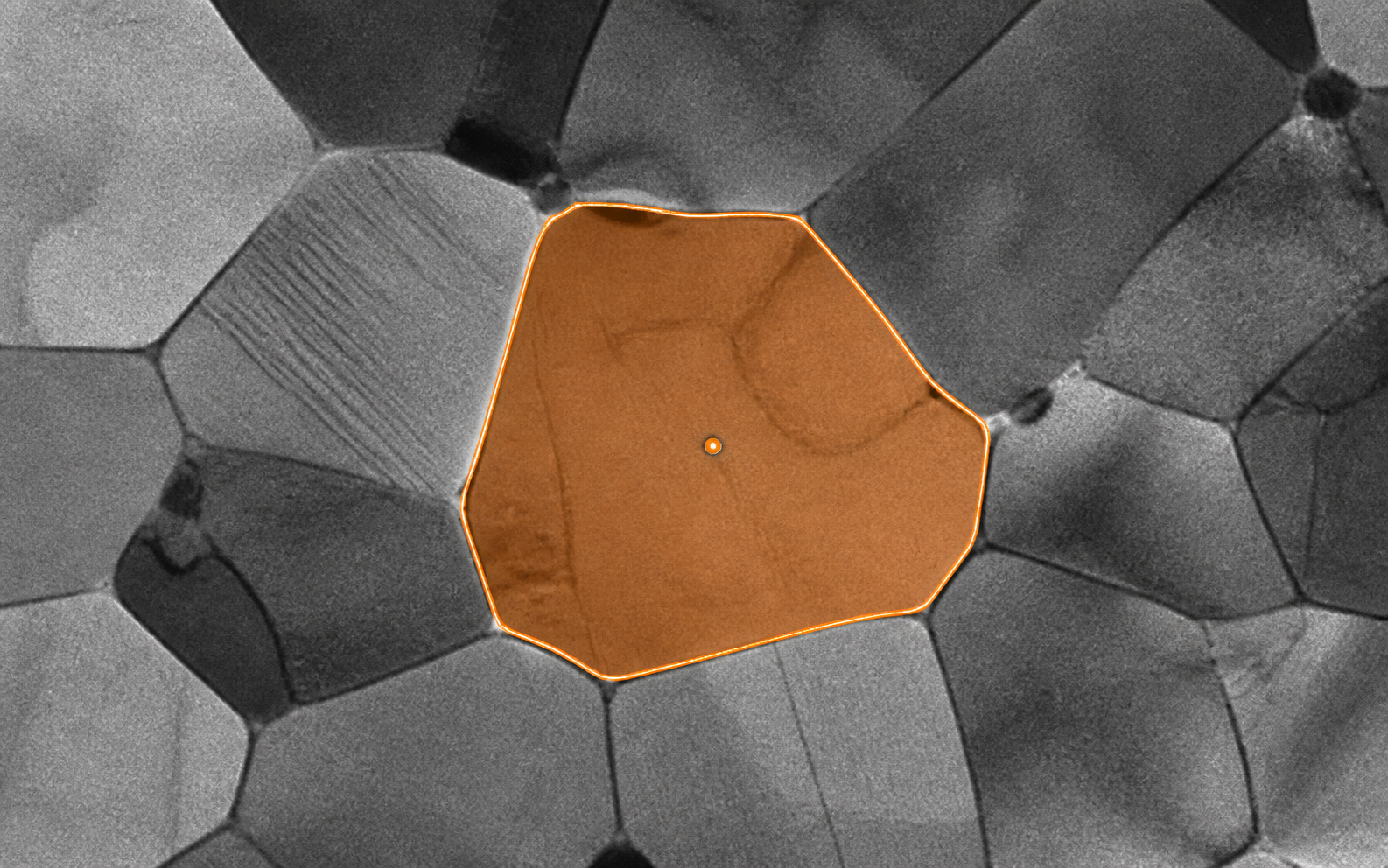
Illustrative TEM-style microstructure with one grain highlighted by an orange segmentation mask
Single-grain segmentation · conceptual illustration, not project data
Step 02 · Time series

Video object tracking

Preserve each grain’s identity through boundary motion, growth, shrinkage, and changing neighbours, so its evolution can be quantified.

  • Video object tracking
  • Persistent IDs
  • Hungarian algorithm
  • SAM2 · SAM3 video segmentation
  • Prompt engineering
  • PyTorch · OpenCV
  • YOLO — planned
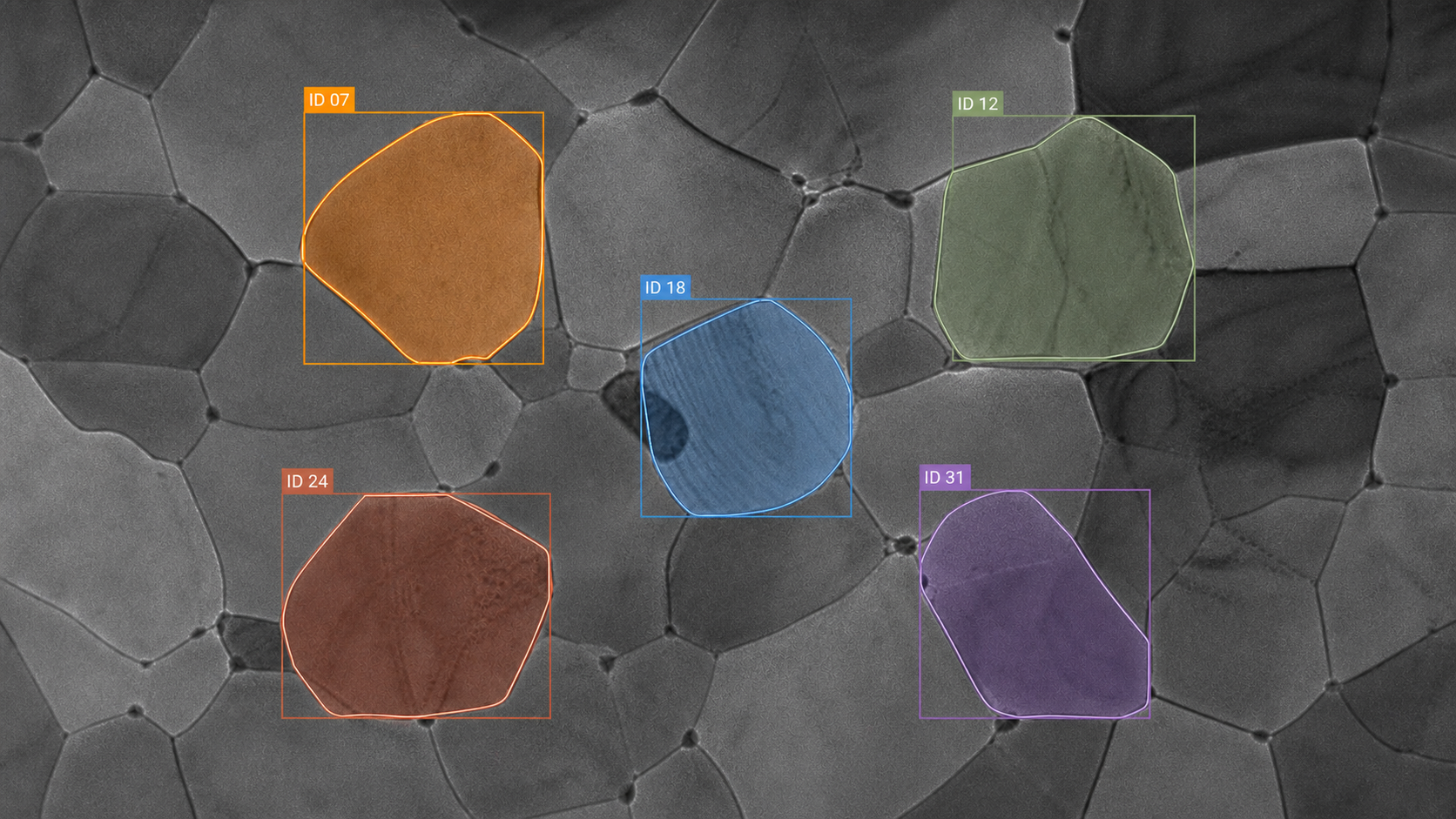
Conceptual TEM-style frame with five segmented grains, bounding boxes, and persistent tracking identifiers
Multi-grain tracking · masks, bounding boxes, and persistent IDs
02 Completed · M.Sc. thesis
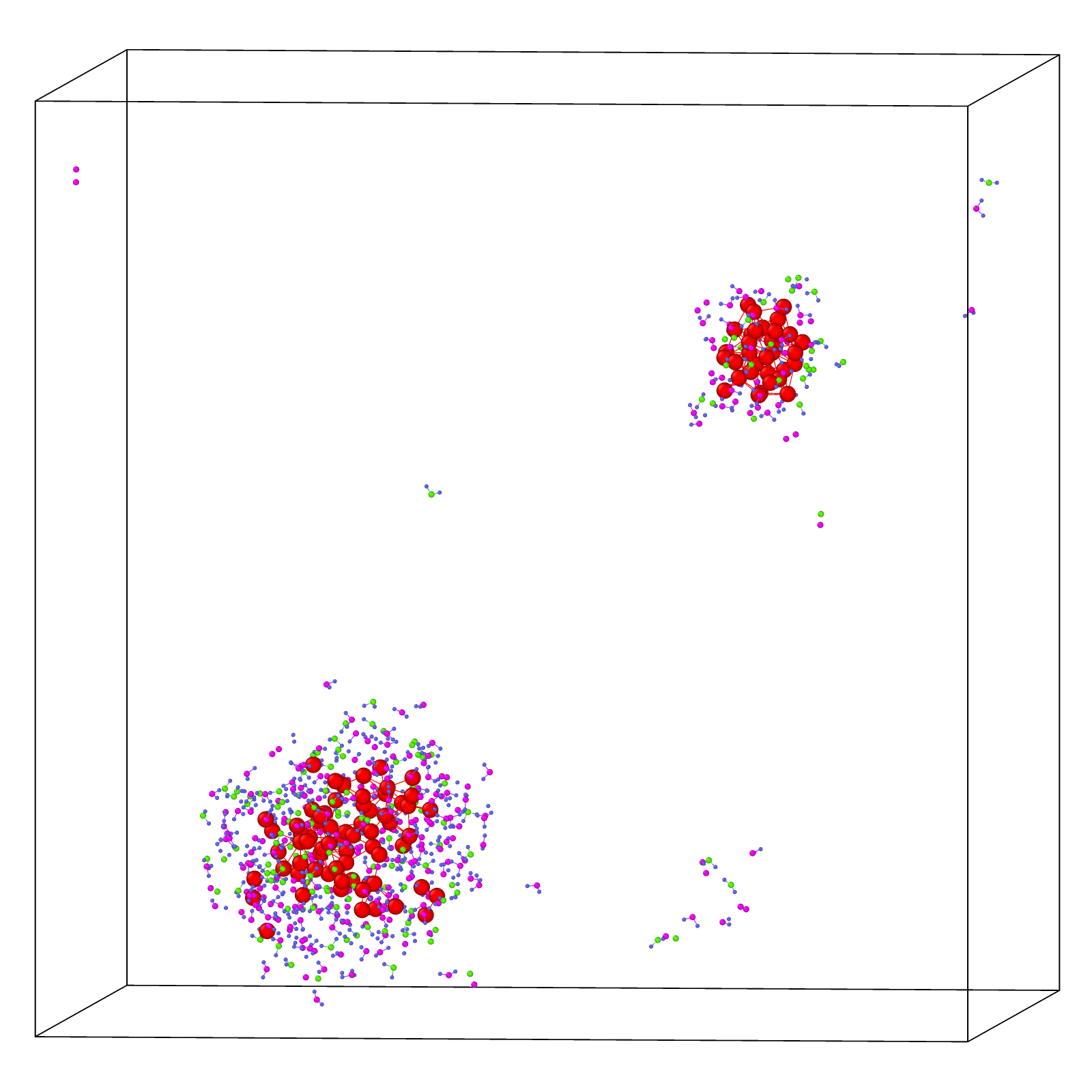
Molecular-dynamics snapshot showing aluminium atoms clustering into nanoparticles inside the simulation cell
Aluminium nanoparticle formation inside the MD simulation cell. OVITO visualization · M.Sc. thesis

Shahjalal University of Science & Technology

Molecular dynamics of aluminium nanoparticle formation and oxidation during pulsed laser ablation in liquids

  • Research focusFormation and oxidation of aluminium nanoparticles during the pulsed laser ablation in liquids process.
  • SimulationReactive molecular dynamics with LAMMPS and ReaxFF, cooling the system from 5000 K to 300 K under five conditions.
  • AnalysisCluster formation, particle size, atomic structure, and oxidation behaviour using OVITO, VMD, and Python.
  • ResultCooling conditions affected nanoparticle formation and final particle size.
Read the full thesis on ResearchGate

Where the work happened

Research experience

Nov 2025—Present Current

Forschungszentrum Jülich · IAS-9

Student Research Assistant (M.Sc. thesis)

  • Microscopy-data processing and validation
  • Segmentation and temporal tracking
  • Quantitative grain-growth measurement and analysis
See the featured research
2019—2021

Shahjalal University of Science & Technology

M.Sc. Thesis Researcher · Computational Materials Physics

  • LAMMPS and ReaxFF simulation
  • OVITO, VMD, and Python analysis
  • M.Sc. thesis and poster presentations
See the featured research

Skills at a glance

Physics first.
Computation with purpose.

01

Condensed matter & materials physics

  • Condensed Matter Physics
  • Materials Science
  • Microstructure
  • Grain Growth
  • Electron Microscopy
  • Scanning Probe Microscopy
  • STM · STS
  • 2D Materials & Thin Films
  • 2D Correlated Systems
  • EBSD
  • Nanoparticles
02

Computer vision & machine learning

  • Image & Instance Segmentation
  • Video Object Tracking
  • Hungarian Algorithm
  • Prompt Engineering
  • SAM · SAM2 · SAM3
  • MatSAM
  • U-Net
  • YOLO — planned
  • PyTorch · OpenCV
  • Napari
03

Simulation & scientific computing

  • Molecular Dynamics
  • LAMMPS · ReaxFF
  • OVITO · VMD
  • Python · Julia
  • NumPy · SciPy · Pandas
  • HPC · Linux
  • Git

Continued learning

Technical training

2025

Coursera Project Network

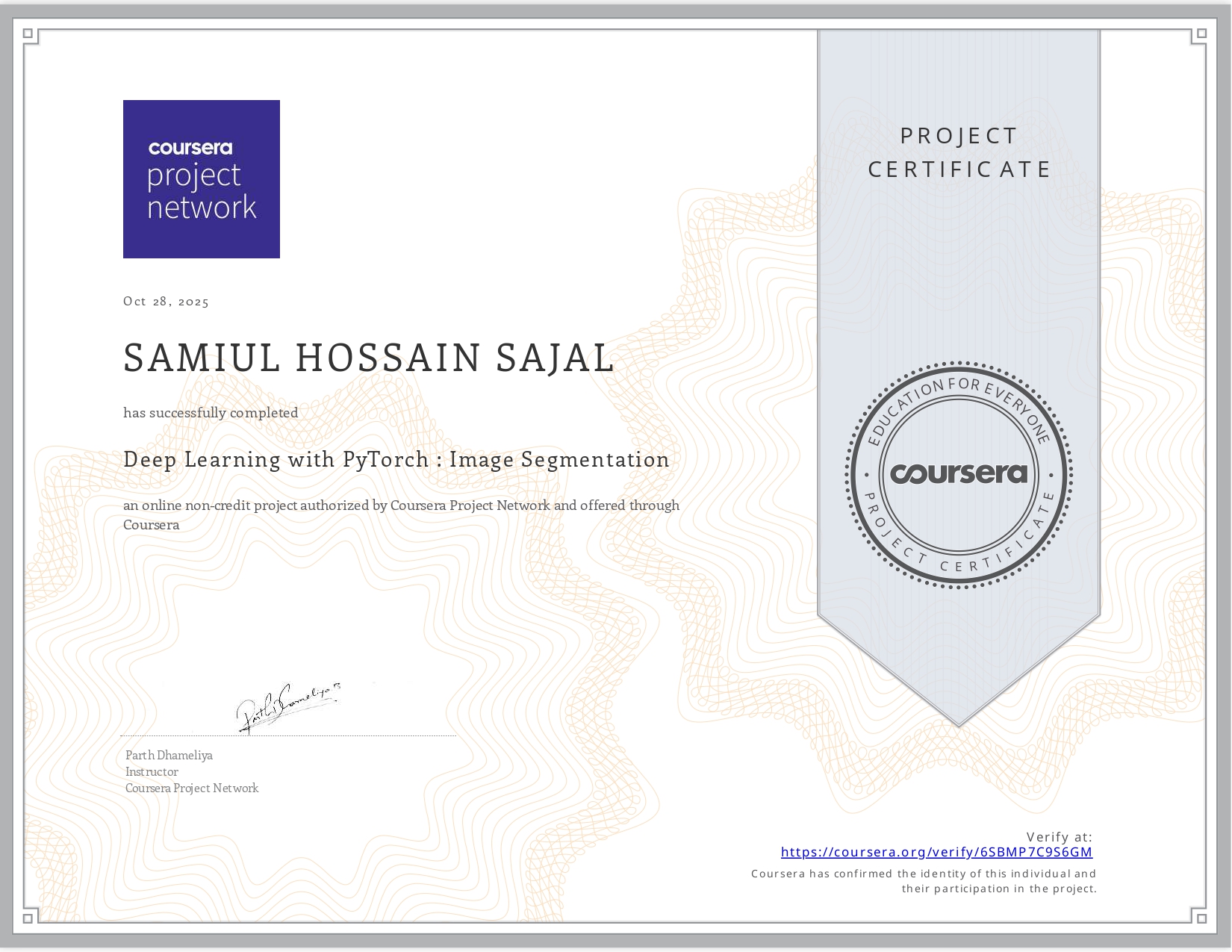
Deep Learning with PyTorch: Image Segmentation

U-Net · PyTorch · Albumentations · custom datasets

Deep Learning with PyTorch Image Segmentation certificate
8-course series

Google

Google Data Analytics Professional Certificate

Data cleaning · analysis · visualization · R

Google Data Analytics Professional Certificate
5-course series

University of Michigan

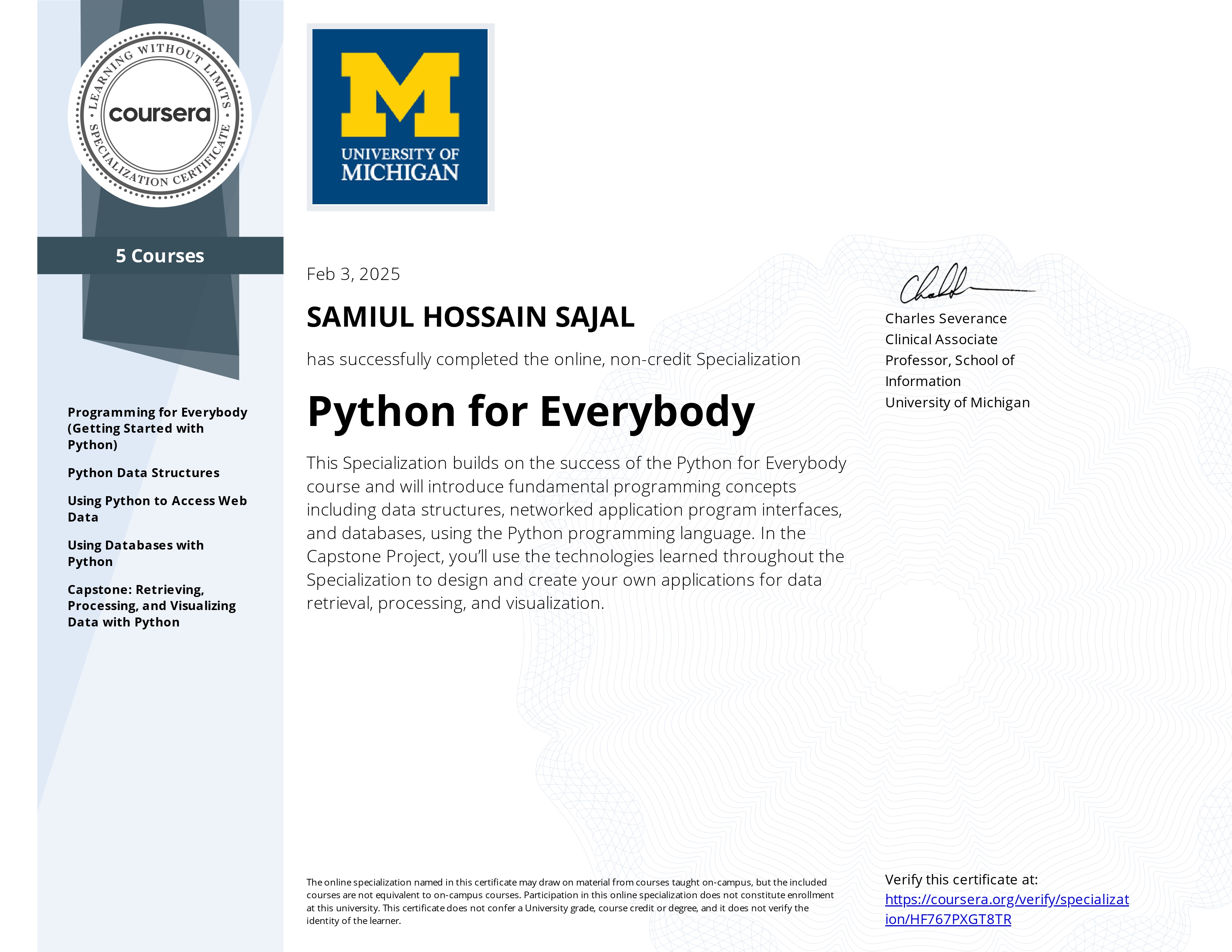
Python for Everybody

Python · data structures · web data · databases

Python for Everybody certificate

Additional courses · University of Cologne

6 ECTS

Computational Many-Body Physics

Classical and quantum many-body systems · Ising, Heisenberg, and Kitaev models · spin correlations and entanglement · exact diagonalization · quantum Monte Carlo

6 ECTS

Deep Learning and Physics

Neural-network training and generalization · CNNs and U-Net · self-supervised and generative models · transformers · physics-informed and equivariant networks

6 ECTS

Scientific Programming in Python

NumPy · SciPy · Matplotlib · ODE solvers · OOP

3 ECTS · Intensive week

Intensive Julia Programming Workshop

Julia · 4th-order Runge–Kutta · numerical integration

Voluntary · Intensive week

Every Number Tells a Story

R · regression · probability distributions

Research communication & recognition

Poster & awards

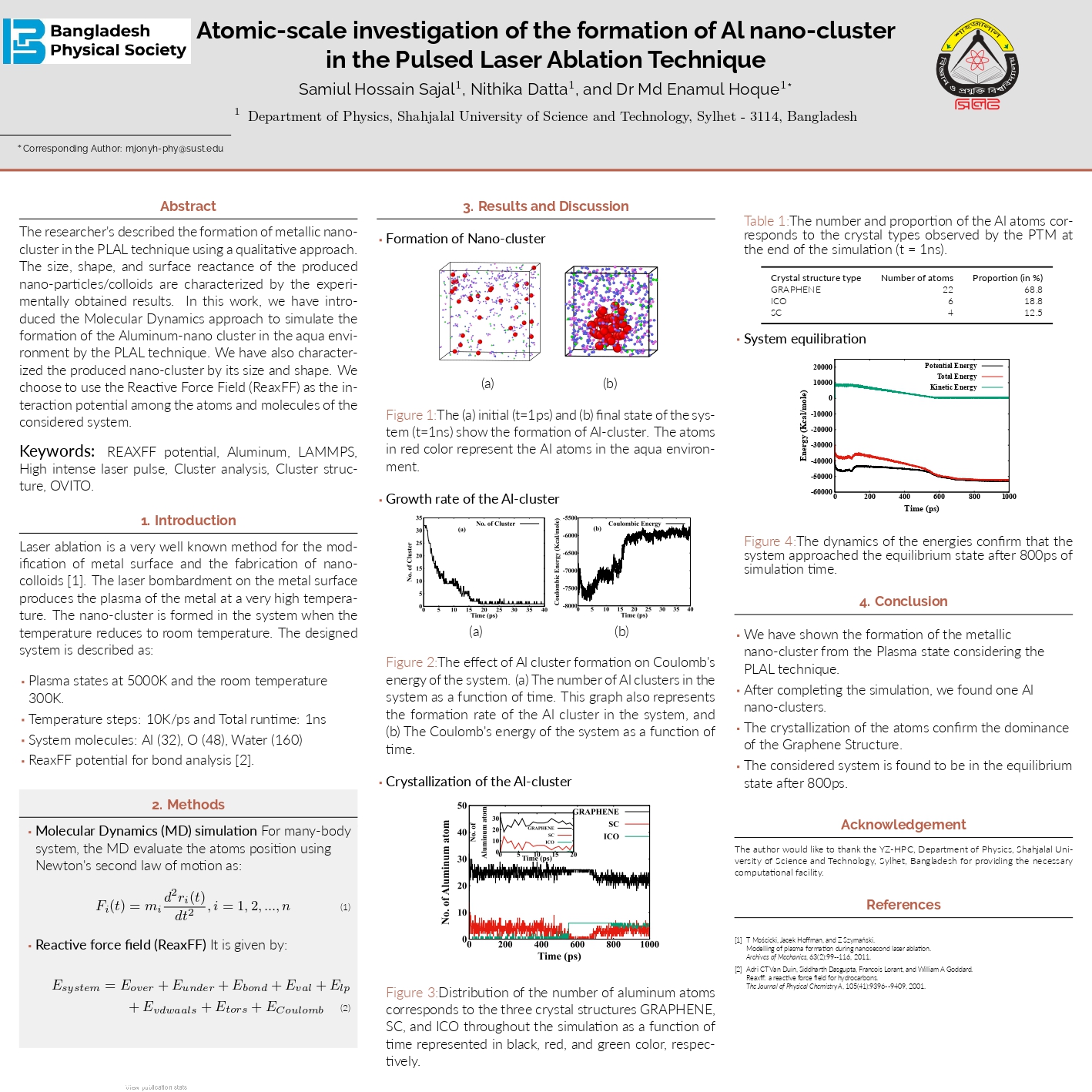
Poster presentation

Poster on aluminium nanocluster formation presented to the Bangladesh Physical Society
Bangladesh Physical Society · 2021

Atomic-scale investigation of the formation of Al nano-cluster in the Pulsed Laser Ablation Technique

View on ResearchGate

Awards & honors

2020—2021

National Science and Technology Fellowship

Ministry of Science and Technology, Bangladesh

2018

Honorable Photographer · Exceed

SUST CEE Festival, Bangladesh

2012

2nd Runner-up · Science Fair

Birshreshtha Noor Mohammad Public College, Bangladesh

About me

A condensed matter physicist connecting materials, simulation, and computer vision.

My central interest is condensed matter physics—especially material structure, microstructural evolution, and the physical insight hidden in experimental or simulated data.

My earlier research used atomistic simulation to investigate nanoparticle formation. Today, at IAS-9, I work with in-situ TEM videos and modern computer-vision models to quantify how grains change over time. Across both projects, the goal is the same: connect computational results to a clear materials-science question.

I am interested in PhD and industry opportunities in condensed matter physics, computational materials science, scientific machine learning, semiconductor or microscopy-related R&D, and roles that connect experiments with meaningful data analysis.

Let’s connect

Interested in materials, microscopy, or scientific AI?

I’m always glad to discuss research, PhD possibilities, and technical roles where physics and computation meet.

Based in
Cologne, Germany